Why San Antonio Is Emerging as a Leader in Addiction Treatment
Drive a few miles in any direction across San Antonio and you can see the change. Emergency divisions now start buprenorphine prior to a patient ever leaves the healthcare facility. Belief based domestic programs share information with region detox devices. Experts stroll into clinics where the front desk talks well-versed military and proficient Spanish. This is what a developing community resembles when a city determines that addiction is a treatable illness, not a personality flaw.
Leaders right here will inform you that San Antonio did not become a brilliant place by accident. It expanded from a blend of difficult gained lessons, sensible partnership, and a group fact that required bilingual, seasoned conscious, injury informed care. The result is not best and the job is incomplete, yet you can really feel the energy. For individuals searching for addiction treatment in San Antonio, the difference turns up as more doors, less stumbling blocks, and a higher opportunity of healing that sticks.
The medical care backbone that transformed the trajectory
Cities attempting to develop solid addiction care usually encounter the very same wall. Solutions exist, but they sit in silos. San Antonio punched via that wall by connecting its academic center, public hospital, area behavioral health and wellness authority, and very first responders right into a working network.
UT Wellness San Antonio trains medical professionals, nurses, and social employees that are currently comfortable dealing with compound use problems as chronic, relapsing conditions rather than one time situations. College Wellness, the public medical facility system, considers that educating a home in emergency situation divisions and facilities where methods in fact get utilized. The Center for Health Care Providers runs the Reconstruction Facility, a 24/7 sobering and detox source that offers an alternate to prison or the ER for people in withdrawal. Regional EMS groups do greater than transport. They lug naloxone, inform outreach companions, and loop in mobile incorporated health care units for following day follow up.
These web links issue in the first 72 hours after an overdose or a crisis. In useful terms, an individual brought in for an opioid overdose can get naloxone, get screened for co occurring mental wellness needs, begin buprenorphine in the ED, and entrust to a cozy reference to outpatient addiction medication or domestic care. A years ago, that same person likely entrusted a pamphlet and a warning.
Texas policy shifts helped. The state got rid of the government X waiver obstacle, which unlocked for more medical professionals to suggest buprenorphine, and increased naloxone gain access to via statewide programs that put packages with clinics and community groups. San Antonio service providers made those policy adjustments actual by developing protocols around them.
Court diversion and crisis alternatives that in fact work
Bexar County began try out jail diversion long prior to it became common vernacular. Specialty courts for people with substance use and mental wellness conditions direct individuals into therapy and supervision rather than traditional sentencing. The Remediation Facility provides serious and detoxification as an exit ramp from imprisonment or emergency situation holds. Law enforcement officers learn where to take someone in dilemma at 2 a.m., and they have a place to go that is not a jail intake window.
Diversion programs just succeed if they have somewhere qualified to divert people to. San Antonio's continuum includes detox, household, partial hospitalization, intensive outpatient, conventional outpatient, peer healing sustains, and sober housing. Admission criteria are better worked with than they used to be, which reduces the pinball effect where an individual bounces from door to door. There are still gaps, particularly for teenagers and people with complicated clinical needs, however the range between a court order and a therapy bed has narrowed.
Veterans and armed forces family members find culturally qualified care
San Antonio's military footprint is not design. It is life. Joint Base San Antonio, the South Texas Veterans Health Care System, and a large population of retired people have shaped the city's approach to injury and addiction. Clinics understand exactly how to inquire about releases and blast exposures without turning the consumption into an interrogation. Counselors work comfortably with TRICARE and VA recommendations. Family members programs understand the rhythms of task terminals, reintegration, and the silent stigma that still borders assistance looking for in some units.
This military proficiency is not a little point for addiction treatment in San Antonio. When a patient listens to language and instances that match their life, they divulge more and stay longer. Co occurring PTSD and persistent pain are treated as core clinical problems, not side notes. Companies coordinate with VA discomfort experts and use modalities like long term direct exposure, EMDR, and injury notified yoga along with medicines for opioid usage disorder. The outcome is a greater opportunity that veterans involve, as opposed to go away after the first appointment.
Bilingual, bicultural treatment is the norm, not the exception
More than 60 percent of Bexar County homeowners recognize as Hispanic or Latino, and Spanish belongs to day-to-day live throughout the city. San Antonio's treatment area leaned right into that. Numerous front desks, groups, and family members sessions occur flawlessly in Spanish. Created products, security plans, and aftercare instructions can be found in both languages. Team are educated to understand social variables that influence alcohol consumption and drug use, including family members roles, confidence, and the means shame takes a trip across generations.
Bicultural care does not suggest soft pedaling medical criteria. It indicates clarifying medicines like buprenorphine in a way that reverberates with parents that relate tablets with moral failure, or building family sessions that include grandparents that hold strong guide over home decisions. It indicates aiding a client browse faith dedications that can be a resource of toughness and, in some cases, a barrier to proof based treatment. Programs that do this well see more powerful family engagement and greater retention.
A continuum that gets to across cost points
San Antonio's strength is variety. There are not-for-profit pillars that have offered the city for years, women focused programs that shield kids's security while a mommy stabilizes, faith based residential options for people that link recuperation with spiritual life, and hospital affiliated services for clinically intricate cases.
Peer recuperation organizations supply drop in groups, mentoring, and sober tasks that aid individuals reconstruct a life, not simply quit utilizing. Area campuses committed to being homeless, like Place for Hope, link addiction treatment with real estate, task training, and ID healing. Reentry programs aid people coming home from imprisonment locate stability prior to stress ends up being relapse.

This breadth maintains the city from being imprisoned by any type of single funding stream. When one payer tightens preauthorization or a give ends, other doors stay open. It likewise allows clinicians match level of care to require, instead of requiring everyone via the same mold.
Harm reduction matured from dispute to typical sense
Texas has duke it outed damage decrease for years. Syringe service regulations continue to be slim, and disputes obtain political fast. On the ground in San Antonio, the culture shifted toward practical actions that keep individuals to life long enough to select healing. Naloxone is far easier to find. State funded distribution hubs supply neighborhood teams, centers, and households, and first responders routinely leave packages behind after an overdose phone call. Fentanyl test strips are currently lawful in Texas, and neighborhood companions have actually integrated them into outreach with clear, nonjudgmental education.
The city has also created an extra nuanced understanding of language. Staff discuss medications for opioid use disorder rather than medication assisted treatment, which highlights the legitimacy of buprenorphine and methadone as therapies, not crutches. Service providers track article overdose follow up efforts as seriously as they track urine medication screens. None of this eliminates risk, yet it transforms the incline of the curve.
If you want a fast gauge of where a city stands on harm decrease, walk right into an outpatient center and ask the front desk for naloxone. Increasingly in San Antonio, the individual behind the counter will certainly hand you a package, show you exactly how to use it, and invite you to a family education evening. That is what development looks like at eye level.
Training the workforce and using peers where they matter most
Effective addiction care depends upon individuals, not buildings. San Antonio made financial investments right here that show up in day-to-day method. Medical colleges and nursing programs show screening, brief intervention, and recommendation to therapy as fundamental scientific skills, not electives. Counselors, social employees, and medical professionals discover just how to begin and maintain MOUD safely. Hospitalists obtain comfortable with pain and withdrawal management so they do not reflexively discharge individuals with "behavior" notes that mask neglected dependence.
Peer recovery specialists have ended up being a backbone. They staff emergency department consults, run groups, fulfill individuals where they want an overdose or a regression, and maintain the concentrate on progression as opposed to excellence. Accreditation pathways with the Texas Qualification Board legitimize those roles and develop a career ladder that preserves ability. A lot of the very best peers in San Antonio came via the local therapy system themselves, which maintains treatment grounded and practical.
Using telehealth and mobile groups without shedding the human touch
Telehealth broadened during the pandemic and never ever left. In San Antonio, it did not replace personally care, it filled up spaces. Evening video clip visits make it possible for a parent on shift job to refill buprenorphine or participate in regression avoidance without losing pay. Country patients in the areas around the city take advantage of specialty treatment they would not or else have. Mobile groups bring medications and counseling to individuals who can not get to a clinic, including those in sanctuaries or transitional housing.
The compromise is noticeable. Telehealth can widen accessibility, but it can likewise create slim connections that do not hold when a dilemma strikes. Programs that utilize it well established clear thresholds for face to face visits, need regular labs, and insist on area link, whether with groups, family members sessions, or peer mentoring. The concept is easy. Usage innovation to decrease the barrier, after that develop human partnerships strong enough to lug the weight.

Paying for care in a state that did not expand Medicaid
Texas did not broaden Medicaid, and that truth forms day-to-day operations. San Antonio's response has been to intertwine funding, not await a plan change. Area dollars sustain crisis services that save cash on prison and emergency room usage. Opioid negotiation funds are being guided toward naloxone, treatment ability, and prevention. Philanthropy connects openings where insurance coverage regulations do not make sense, such as housing support throughout early healing. TRICARE and VA protection expand grab army households. Commercial insurance plans are progressively executing parity, however prior permission and narrow networks still develop friction.
For households, the practical takeaway is that persistence pays. If one door asks for money up front, ask about moving scales, not-for-profit choices, or region funded options. In San Antonio, those choices often exist within a couple of miles.
What high quality resembles up close
Look past the brochures and you can tell which programs really supply. The proficient ones action involvement at thirty days and retention at 90 days, not simply graduation prices. They publish their MOUD fostering and offer all FDA authorized options for opioid usage condition, consisting of methadone by recommendation where ideal. They co take care of clinical depression, anxiousness, and injury instead of classifying them "outside range." Discharge planning starts on day one with reasonable aftercare that includes housing stability, work or education support, and household involvement.
Programs that fail typically share a couple of informs. They assure fast remedies, stay clear of drugs on principle, or depend solely on fight based teams. They have a hard time to collaborate with healthcare facilities or the courts, and their waiting lists drag out because they have actually not built partnerships upstream and downstream.
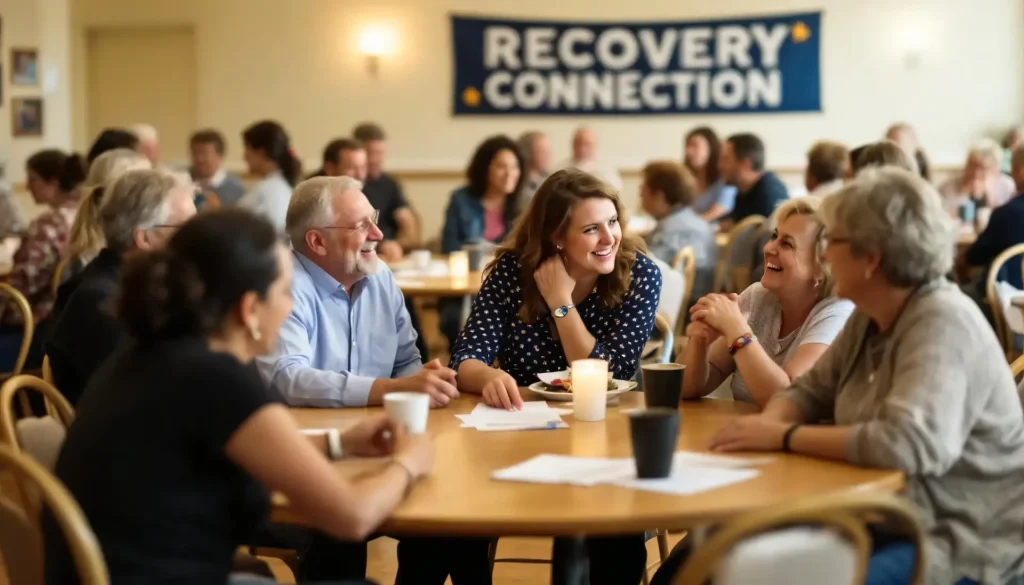
Here is a brief, functional filter households in San Antonio utilize when choosing treatment:
- Do you offer buprenorphine or methadone for opioid usage disorder, and the amount of of your patients utilize them for at least six months?
- If my enjoyed one ends up in the emergency room, will certainly you work with within 24 hours?
- Do you have multilingual clinicians and family members sessions in Spanish if we require them?
- How do you measure outcomes, and will certainly you share your thirty day engagement and 90 day retention rates?
- What is your prepare for housing, peer assistance, and relapse response after discharge?
Five straightforward response to those inquiries will inform you greater than a glossy site ever could.
The city's personality favors functional collaboration
Some areas obtain stuck questioning belief while individuals die. San Antonio, most of the time, chooses useful cooperation. Health center leaders rest at the very same table with belief based supervisors and damage decrease supporters. They will certainly suggest regarding techniques, however they keep the discussion moving. The shared goal is straightforward, less funerals and more stable families.
This character appears in everyday logistics. A residential program that can not take a person with active psychosis understands that to call at the county for a fast psychiatric assessment. An outpatient center flagging a client in harmful withdrawal can reach a detox nurse directly. Specialty courts keep upgraded lists of open beds as opposed to handing accuseds a directory published last year. These are not headlines, but they shorten the distance in between crisis and care.
Safety nets for certain populations
Strong systems make room for people who too often fall through the cracks.
Women with youngsters find programs that work with child care, deal with Youngster Protective Services, and involve extended family members to stabilize the home. Teens remain an obstacle throughout Texas, and San Antonio is no exemption. The city is moving toward extra teenage particular tracks that integrate school timetables, family members systems, and co taking place concerns like vaping and social media sites driven anxiety, yet capacity is still thin.
For people experiencing being homeless, the link between real estate and sobriety is taken care of directly. Sober living alternatives and healing housing get support, and some programs will certainly not discharge to the street. Road outreach groups currently bring buprenorphine initiation protocols and transport alternatives, not just https://johnnyfmbd397.slatecurrent.com/posts/san-antonio-addiction-treatment-picking-between-30-60-and-90-day-programs pamphlets.
Reentry from jail calls for special interest. Regional companions have actually boosted pre release testing and cozy handoffs. The goal is medicines and consultations in position prior to the first night out, which is a well-known danger home window for overdose and relapse. Some components of Texas have piloted MOUD inside jails, and Bexar County stakeholders continue to examine ways to expand access for people captive and right away after release.
Data without spin
Numbers around overdose deaths and treatment access change year to year. What is clear in Bexar County is the same trend seen across Texas, fentanyl has intensified danger, and deaths rose dramatically in the last few years. Naloxone circulation numbers have actually increased accordingly, and more people are being revived. ED initiated buprenorphine has enhanced, assisted by the removal of federal barriers to prescribing.
These changes do not confirm victory, they prove motion. The city's public health authorities and company unions share data extra openly currently, and they use it to fine-tune procedures. If a zip code reveals rising overdoses, outreach groups adjust their hours and places. If a facility sees bad retention for Spanish speaking patients, leadership does not criticize the patients. They analyze organizing, childcare, and transportation.
How family members and patients can browse the system
Even in a fairly strong system, the first calls can really feel overwhelming. Maintain the focus on security and energy. Ask for naloxone, start evidence based medications when indicated, and protect the next consultation before you leave any facility. If you experience a shut door, ask for a warm handoff to a live individual at another program. Momentum is the currency of early recovery.
For addiction treatment in San Antonio, start with three anchors. Call the county's behavioral health access line to map the quickest pathway to detox or outpatient services. If opioids are entailed, prioritize a center that begins buprenorphine or can refer for methadone without delay. If the individual is a professional or a military member of the family, loop in the VA or TRICARE network early since benefits can cover greater than you expect.
A second, similarly essential track is family education and learning. Many programs supply night sessions that describe brain changes, drugs, boundaries, and relapse planning. Spanish language teams are increasingly available. Family members that discover together and established consistent assumptions reduced the probabilities of chaotic cycles.
What to watch next
San Antonio has the items to expand its lead in addiction care, yet 2 fronts will certainly establish how far it goes. Initially, adolescent services need even more depth. Institutions are natural companions, and programs that can flex around semesters and sports periods will make headway. Second, real estate connected to recuperation stays a pressure point. Broadening sober living, transitional housing, and work courses that pay a living wage will certainly transform short-term treatment gains into long-term stability.
On the plan side, proceeded investment of opioid settlement bucks right into therapy capability, drugs, and community based assistances can speed up whatever explained above. Quantifiable objectives assist. Track involvement and retention, MOUD utilization, time from court reference to first appointment, and article overdose comply with up rates. Share the numbers openly, and let them assist funding.
Why San Antonio's instance issues beyond the city limits
When people discuss Addiction treatment texas, they occasionally focus on high account personal centers near capital Country or the coastline. San Antonio offers a different model. It is large, diverse, cheaper than some neighboring cities, and rooted in public exclusive collaboration. It blends scholastic medication with community knowledge, military culture with bicultural fluency, and evidence based practice with a direct, regional style that values outcomes over rhetoric.
If you are seeking addiction treatment in San Antonio, you will certainly locate a system that still has waiting lists and gaps, yet additionally one that responds to the phone, provides real medications, brings families right into the area, and works with across institutions that utilized to ignore each other. The city gained that progress person by patient, court by court, and change by shift. For the person standing at the threshold, that proceed can make all the difference.
Quick telltales of a program built to last
Use this last picture to arrange solid choices from the remainder:
- Clear accessibility to buprenorphine, naltrexone, and methadone recommendation, without philosophical hurdles
- Bilingual solutions ingrained throughout consumption, teams, and family sessions
- Documented sychronisation with health centers, courts, and peer support networks
- Transparent outcome metrics and a willingness to share them
- Aftercare that consists of housing, work assistance, and regression reaction, not simply a listing of meetings
Cities do not come to be leaders by accident. San Antonio selected to develop structures that maintain individuals to life, provide proof based treatment, and regard the intricacies of realities. For anybody searching for addiction treatment, that option opens up a path worth walking.